

Why do I compare myself to others financially?
It’s hard not to compare your finances to other people’s.
It can sometimes feel like everyone else is doing better with money — saving more, spending more comfortably, or moving ahead faster.
It’s hard not to compare your finances to other people’s.
It can sometimes feel like everyone else is doing better with money — saving more, spending more comfortably, or moving ahead faster.
Managing family finances on a tight budget Managing family finances on a tight budget can feel hard, especially when food, energy, rent, mortgage payments and childcare costs are taking up more of your income. Recent data from the Money and Pensions Service shows that 49% of UK adults are struggling to keep up, falling behind,…
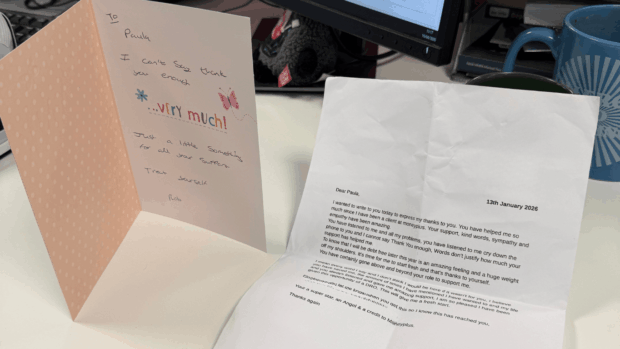
Behind the MoneyPlus People: A thank you card for Paula Welcome to our new blog series – Behind the MoneyPlus People. This series will be a place for us to share the incredible work our MoneyPlus people do every day, and to celebrate how these wins are positively impacting our customers. Last week, one of…
Debt consolidation vs debt management plan: what’s the difference? Debt consolidation and Debt Management Plans (DMPs) are two ways to manage multiple debts. With debt consolidation, you take out new credit, such as a loan or credit card, to pay off existing debts. Debt consolidation is more commonly used by people who can still access…
The UK government has announced that some student loans in England and Wales will have their interest rates capped at 6% beginning from September 2026. At first glance, this may sound like positive news. But what does it actually mean for you and your money? Let’s break it down in a simple, clear way. Interest on your Plan 2 student loans and postgraduate loans will be capped From September 2026, interest on Plan 2 student loans and postgraduate…
Recent data from The Money Charity shows that the average total household debt levels in the UK reached £67,350 in January 2026 and the average debt level per individual is £34,774. These figures reflect a very real trend: debt levels are continuing to rise across the UK, and more people are feeling the pressure in…
What happens when debt isn’t paid off? Debt doesn’t usually spiral overnight. It often starts with a missed payment, a letter left unopened, or a period where money is simply stretched too thin. Many people who fall behind on payments didn’t expect to be in debt in the first place. If you’re unsure how your situation started, our guide on the common…
10 common reasons why people get into debt in the UK People get into debt in the UK for many reasons – often due to changes in income, rising living costs, health issues, or unexpected life events. Understanding the most common reasons people get into debt can help you recognise your own situation and take…